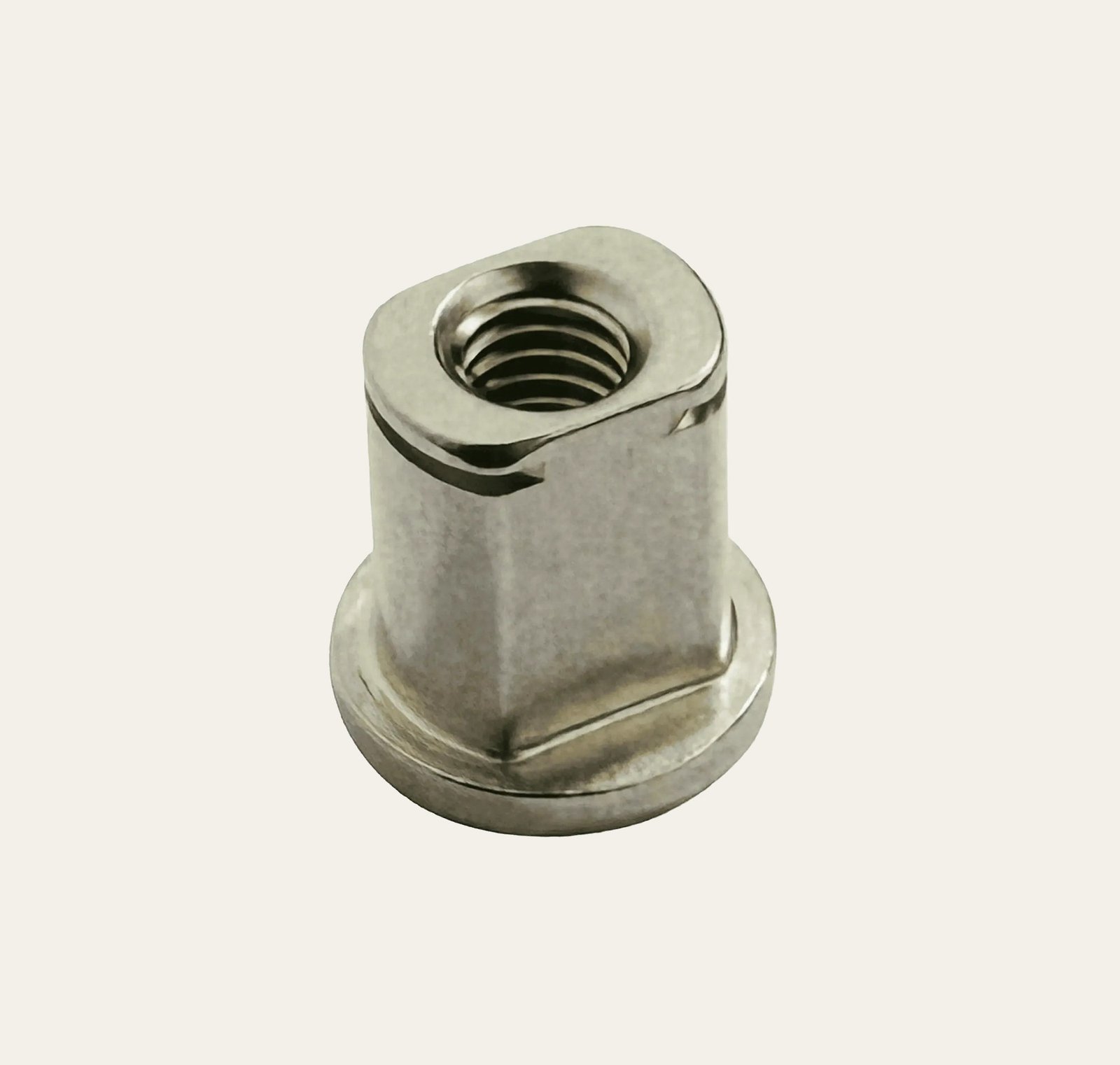
T-nuts and inserts
Slab-base T-nuts, pronged tee nuts and knurled inserts, as drawn.

Automotive fasteners
Non-catalogue nuts and related installation elements are produced when the drawing, material and quality requirements cannot be met by a standard hex nut. The route — cold heading, CNC, or both — is selected against the geometry and the intended volume.
This page describes a made-to-print capability, not a stock catalogue. Manufacture follows the customer’s current drawing revision, together with the stated material, finish and quality requirements. Unspecified points are flagged before production rather than assumed.
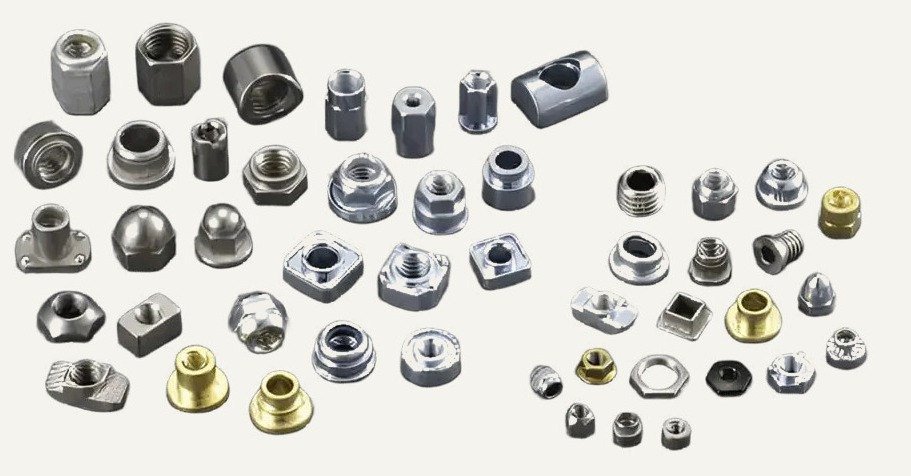
Slab-base T-nuts, pronged tee nuts and knurled inserts, as drawn.
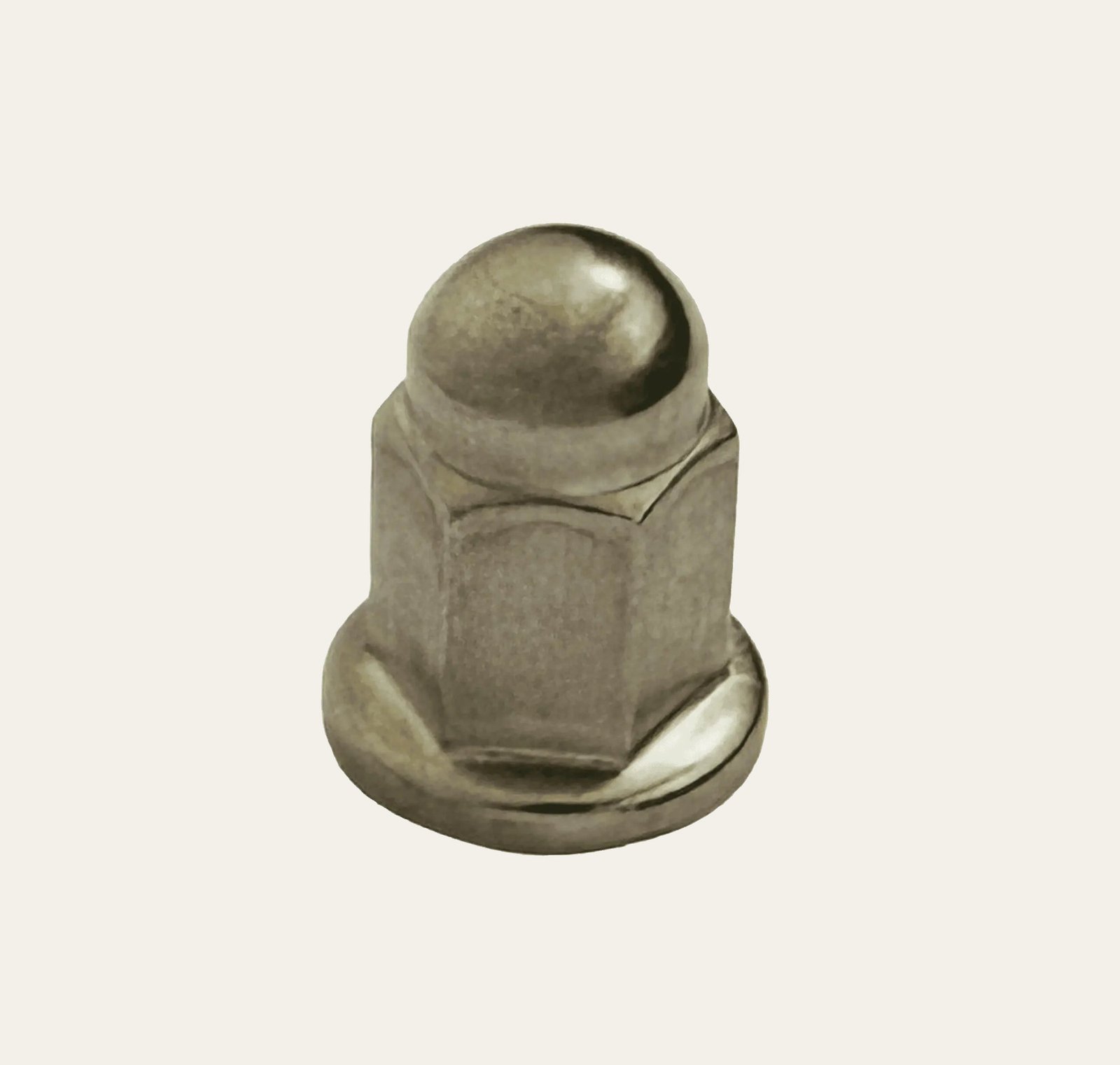
Acorn or cap nuts, and security forms including specified drives.
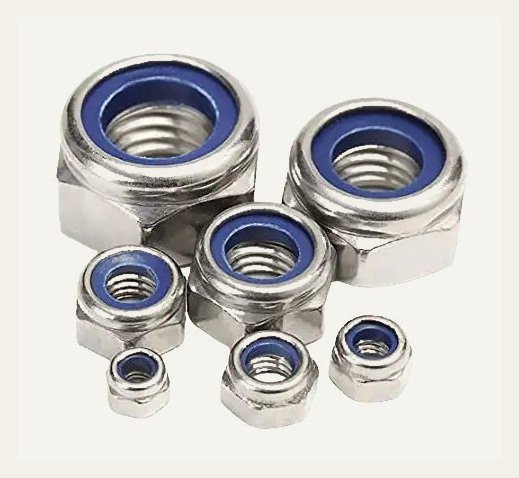
Nylon-insert and other prevailing-torque lock nuts, to the specified standard or print.
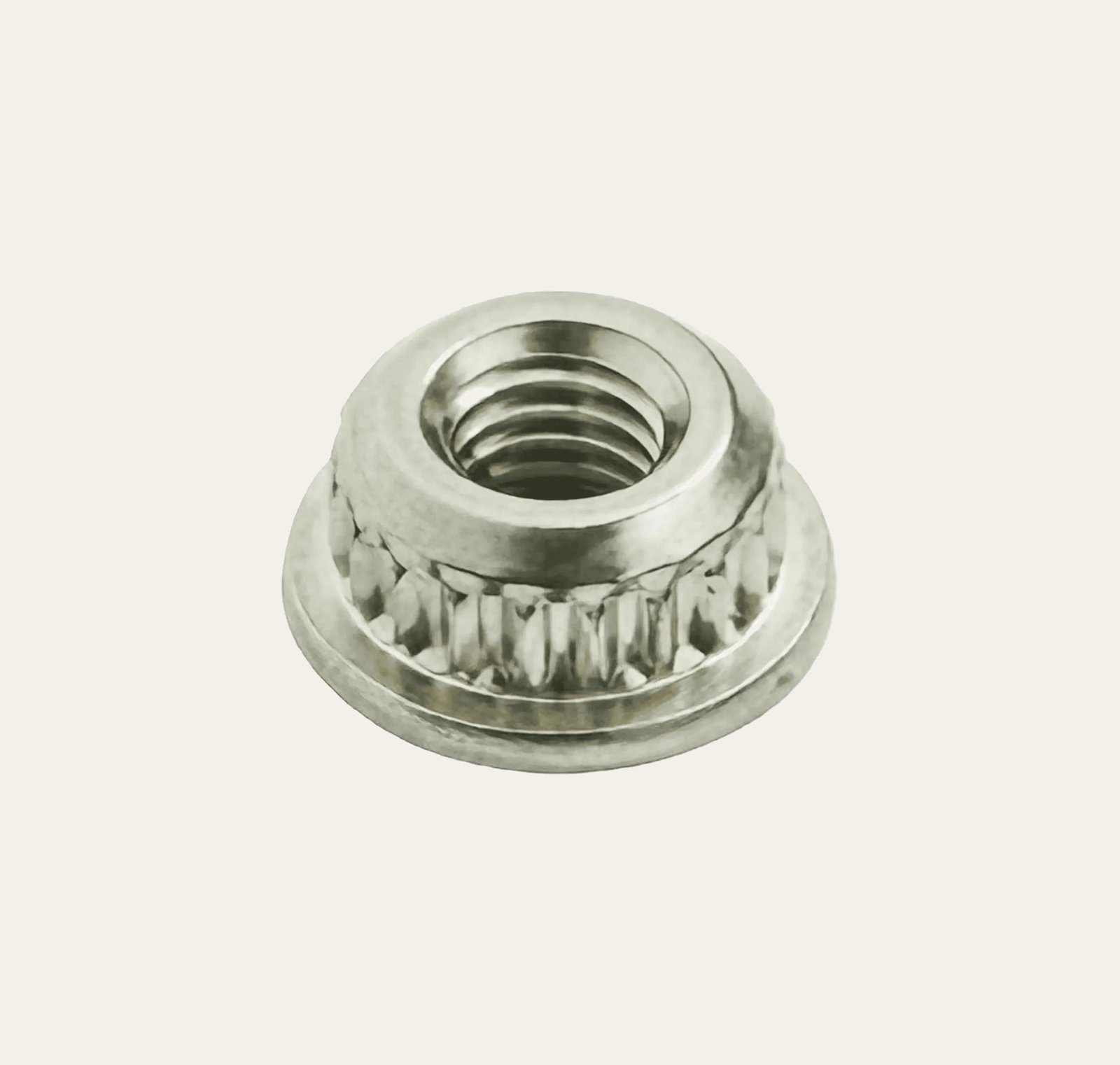
Self-clinching nuts and related sheet-installation elements.
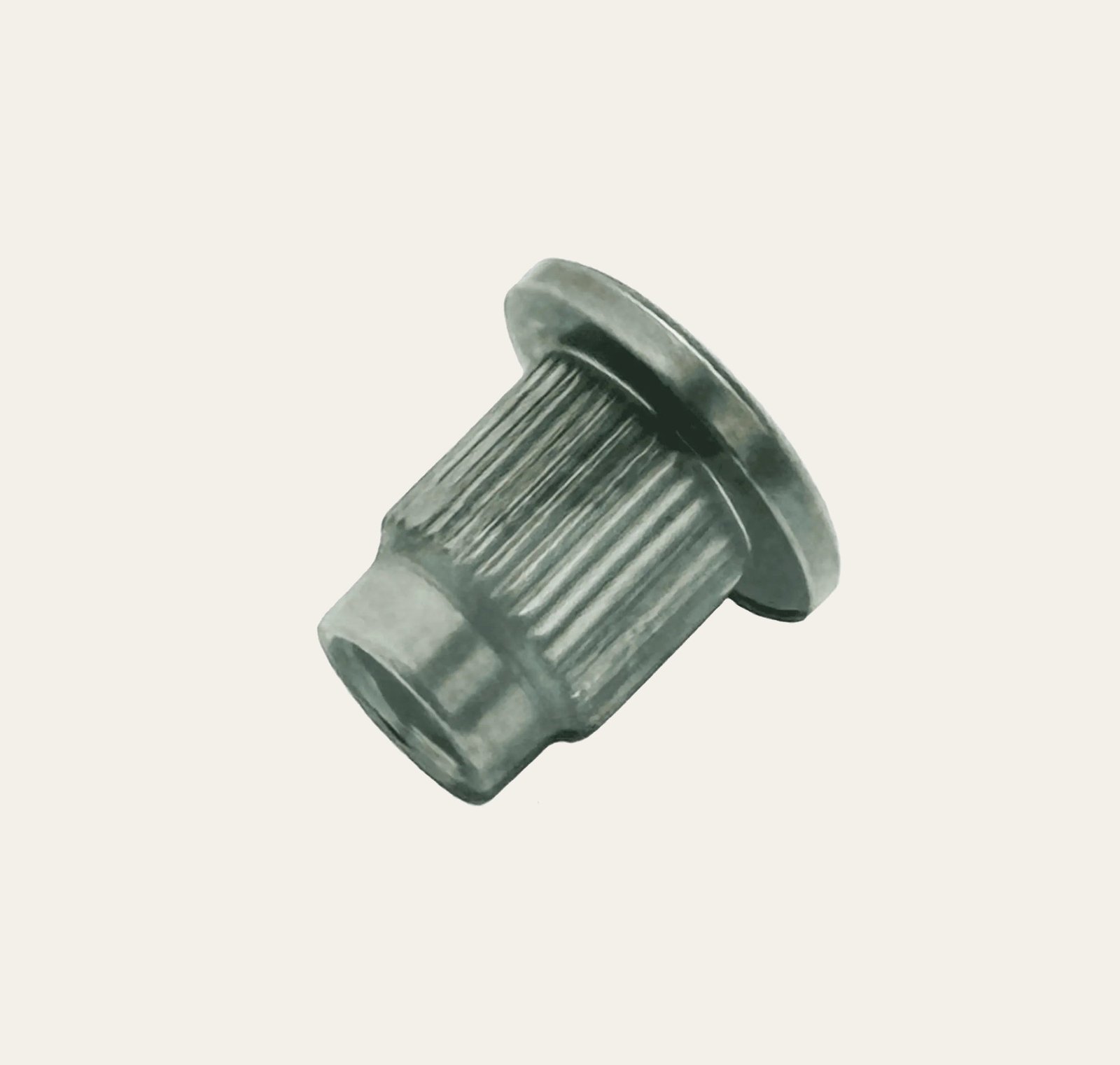
Rivet nuts and similar mechanically installed fasteners, to the drawing.
Typical minimum order quantities for special cold-forged or custom turned nuts are 10,000 to 50,000 pieces, depending on complexity and tooling. Prototypes can be machined for validation before production tooling is committed.
The parts shown are capability examples, not stock items. Colour in a model does not represent the specified material or finish. Geometry, material, finish and inspection are taken from the customer’s current drawing. Catalogue type codes are SUNHY designations for these examples; they do not replace the customer’s item number or drawing revision.
For installation elements, the parent-material thickness, hole condition and assembly sequence should be stated. For lock nuts, the torque window, temperature and reuse conditions help the review if they are known. Cosmetic or functional faces — head, flange, knurl or a visible surface — should be identified if an appearance or contact-face requirement applies.
The route is selected against the geometry and the intended volume. Cold heading is the usual starting point inside the M4–M24 window when the form can be produced that way. A fully machined route is used for prototypes and for parts that will remain on CNC in production. A change of route is re-validated before serial release.
Thread gauging, prevailing-torque checks and any coating or cleanliness requirement are written into the inspection plan when the order requires them. PPAP and IMDS are confirmed in the quotation if the project needs them. Materials, inspection and documents.
The quotation will address manufacturability, the proposed route — cold heading, CNC, or a combination — sample timing, and the document package. What to include in a made-to-print RFQ.
For custom turned or special cold-forged nuts, typical minimum quantities are 10,000 to 50,000 pieces, depending on complexity and tooling. The quantity for a given part is confirmed with the enquiry. Smaller prototype lots can be machined for validation.
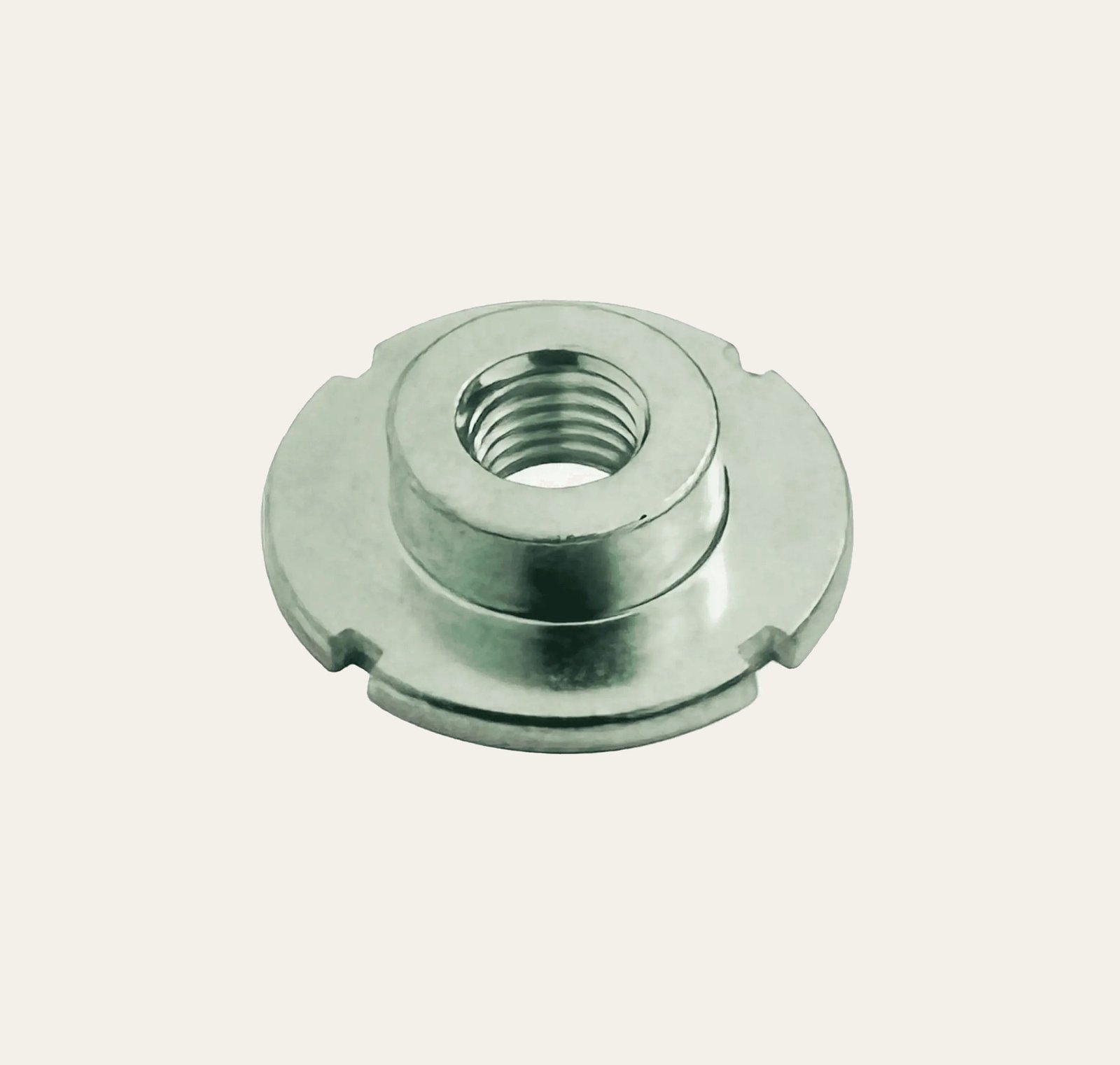
Projection weld nuts and related weld elements for sheet-metal assembly.
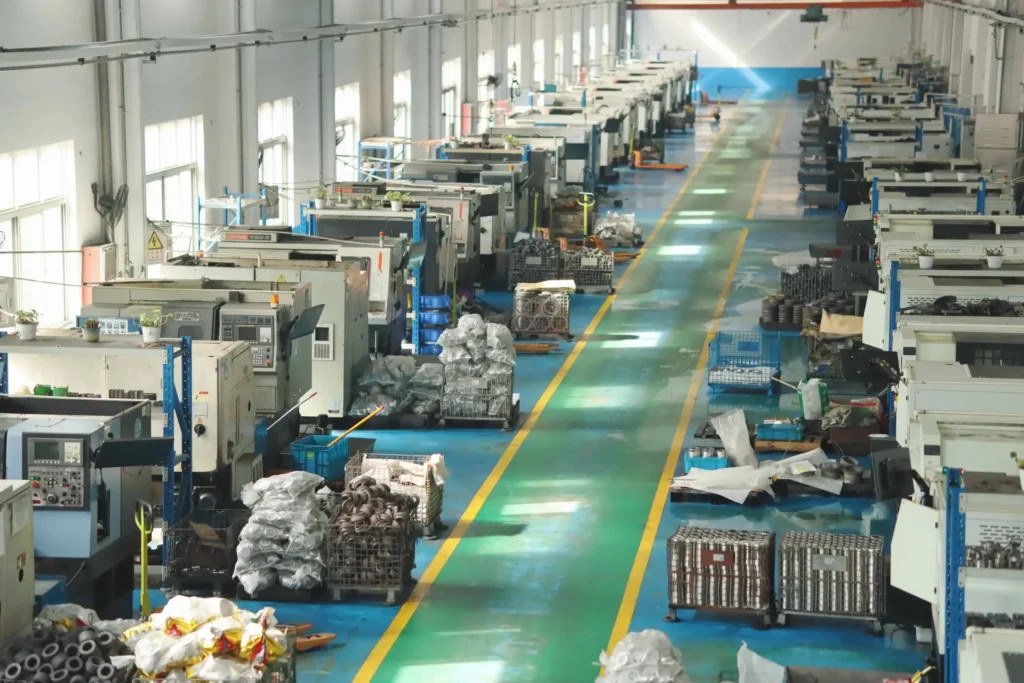
Rotationally symmetric parts by CNC or a combined route.
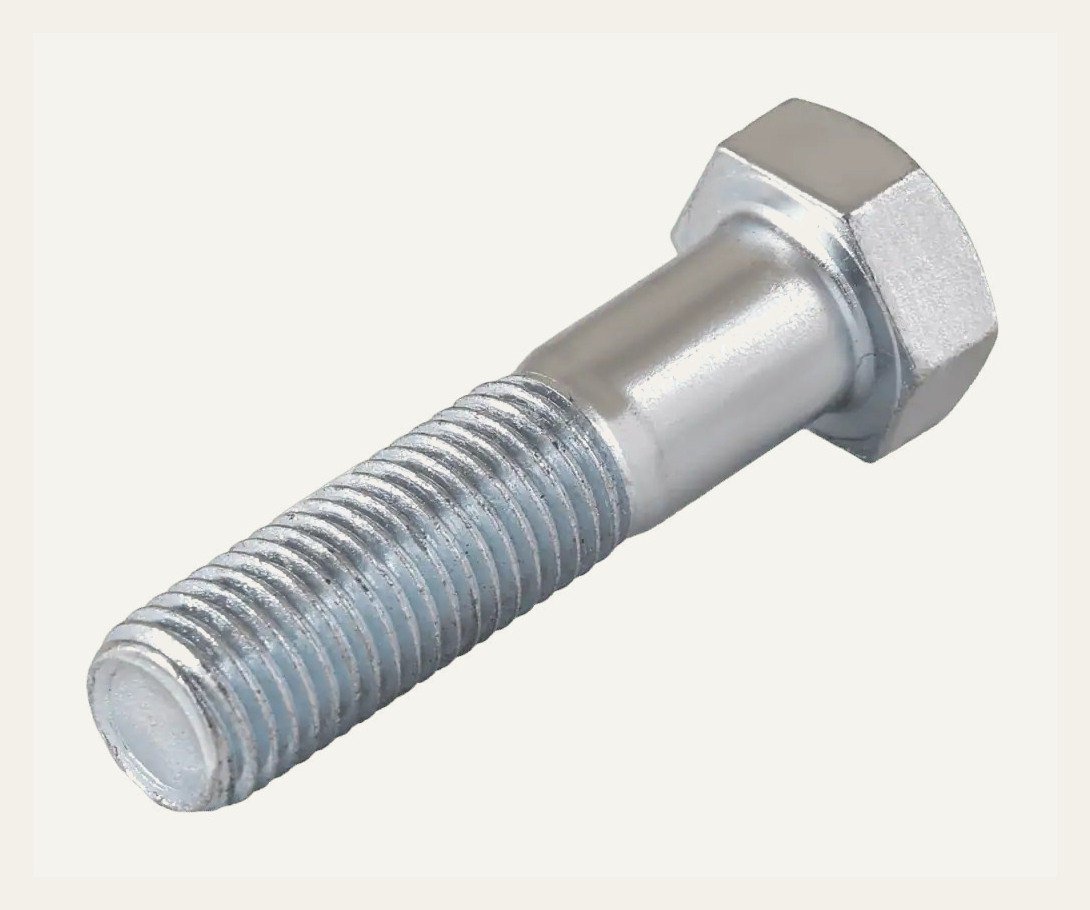
Mating bolts and studs produced to the same programme when specified.
Also see materials, inspection and documents — evidence is confirmed with the order, not assumed.
The quotation will state the proposed route, the inspection and document package, and the commercial terms for that part.