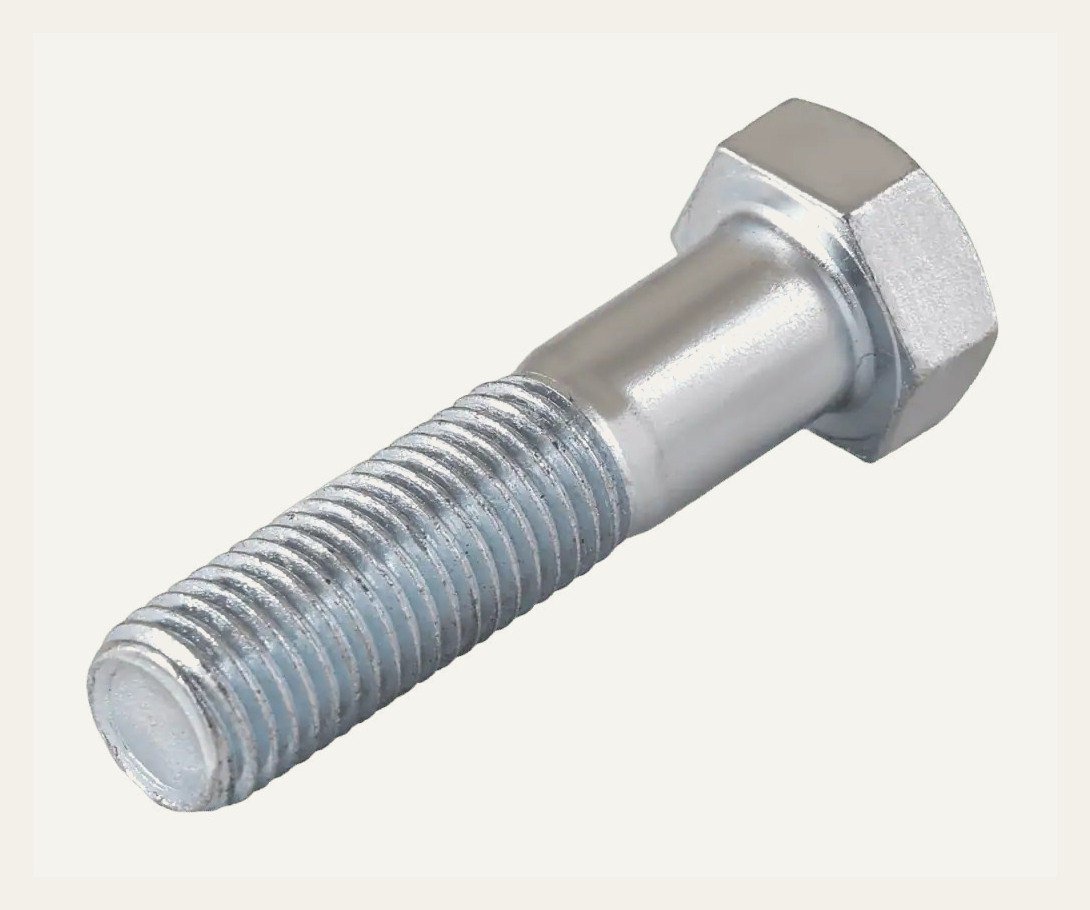
Bolts and screws
Hex and other head forms, including non-catalogue shank, under-head or drive features.

Automotive fasteners
Made-to-print bolts, screws, studs, washers, pins and other threaded or non-threaded parts are produced in metric or inch series, including special threads and fine pitch when those are specified. This page is not a standard hex-bolt stock list.
This page describes a made-to-print capability, not a stock catalogue. Manufacture follows the customer’s current drawing revision, together with the stated material, finish and quality requirements. Unspecified points are flagged before production rather than assumed.
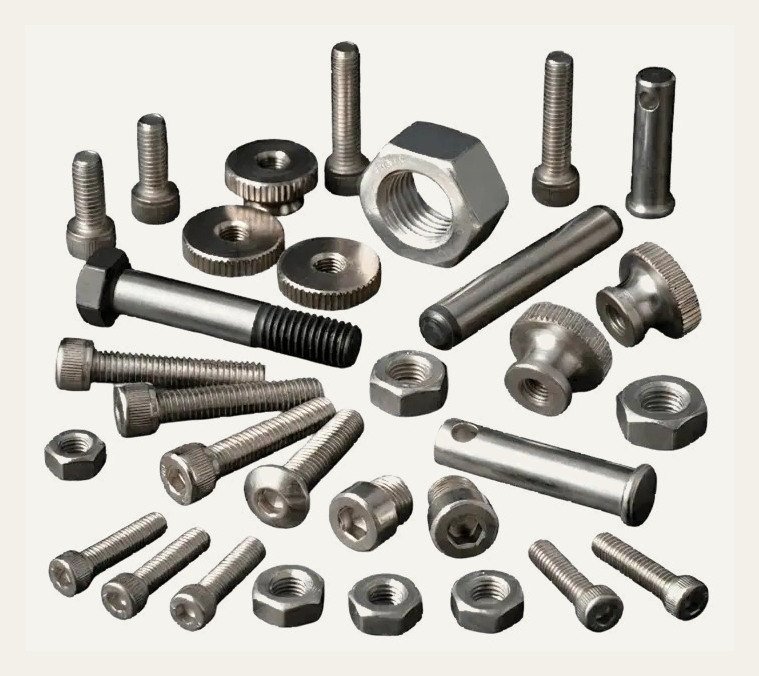
Hex and other head forms, including non-catalogue shank, under-head or drive features.
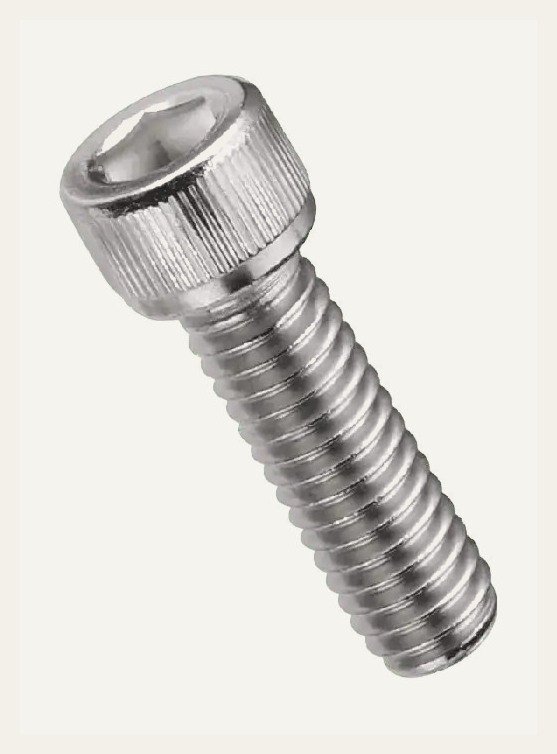
Socket-head and other special-head screws when the print requires them.
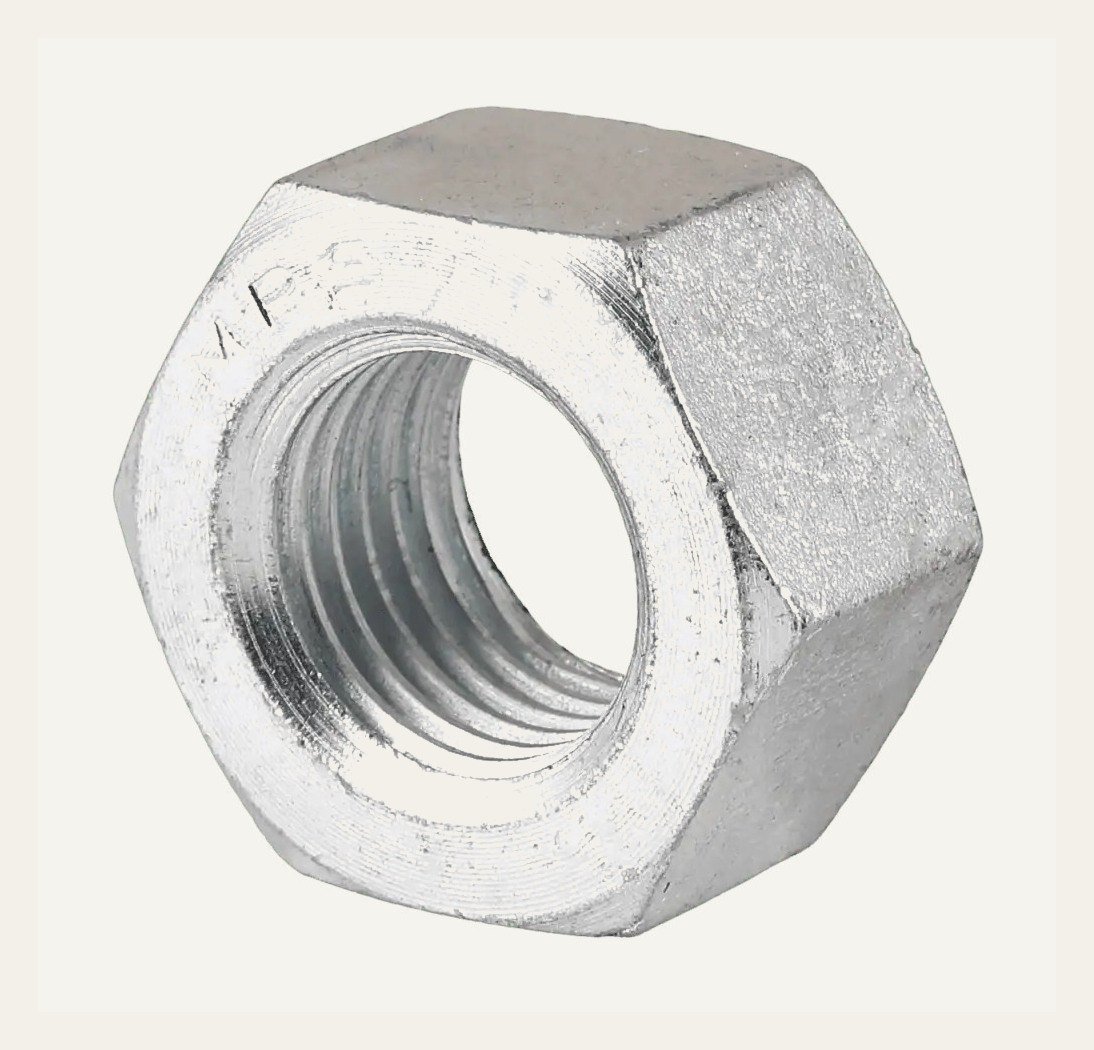
Nuts produced to the same programme, property class and finish as the mating part.
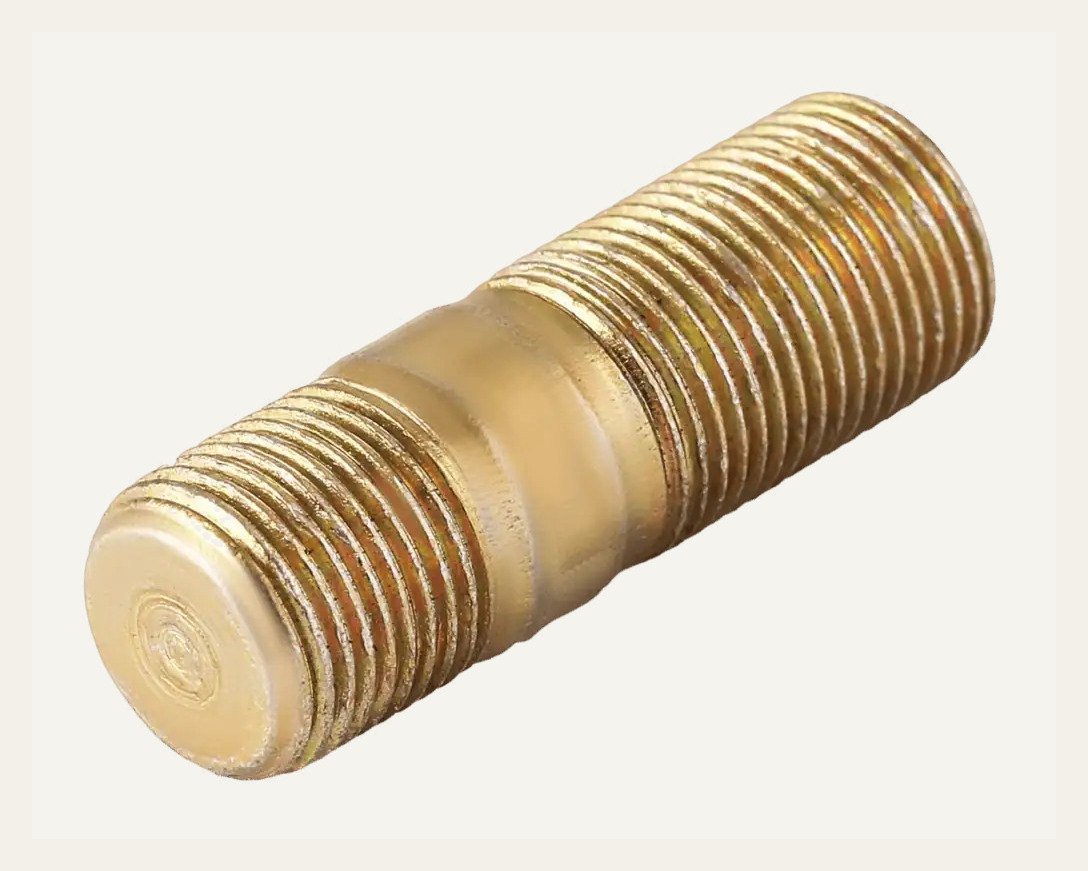
Double-end, weld or fir-tree studs and related forms, as shown on the drawing.
The parts shown are capability examples, not stock items. Colour in a model does not represent the specified material or finish. Geometry, material, finish and inspection are taken from the customer’s current drawing. Catalogue type codes are SUNHY designations for these examples; they do not replace the customer’s item number or drawing revision.
The controlling document is the drawing, together with the stated material, property class and quality requirements. Catalogue-standard fasteners are outside the scope of this page. The work here is application-specific geometry, thread, coating or inspection. Fir-tree and other special studs appear only as examples of forms that can be assessed; manufacture follows the customer drawing, not an implied OEM approval.
Cold heading is the usual starting point inside the M4–M24 window when the form can be produced that way. Secondary CNC is added for features that cannot be formed. Materials commonly specified include carbon and alloy steels such as 1010, 1018, 10B21, 35CrMo / 42CrMo and SCM435, and stainless grades such as 304 (A2), 316 (A4) and 410 where relevant. Other grades are reviewed by enquiry. Brass and aluminium are considered when specified. Materials, heat treatment and coatings.
Mechanical evidence — hardness, proof load, tensile properties — is added to the inspection plan when the order requires it. For high-strength parts, pretreatment, any electrolytic step, baking and hydrogen-embrittlement controls require review when property class 10.9, 12.9 or an equivalent condition is specified. The method is agreed in the quotation; it is not assumed. PPAP and IMDS are confirmed per order when the project requires them.
The quotation will address manufacturability, the proposed route — cold heading, CNC, or a combination — sample timing, and the document package. What to include in a made-to-print RFQ.
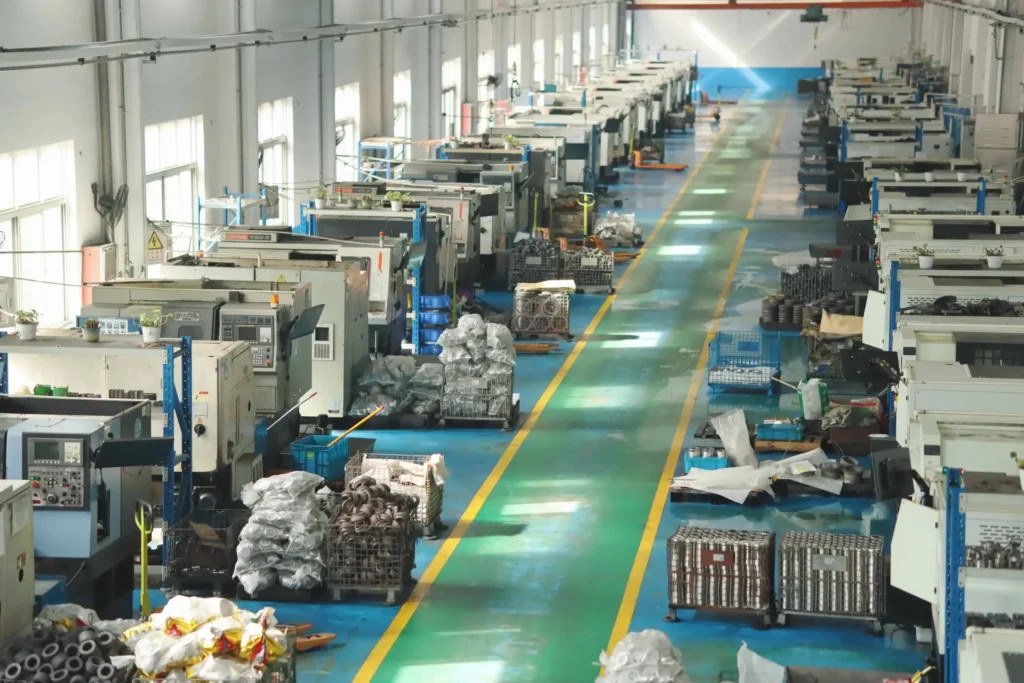
Bushings, spacers, collars and other rotationally symmetric parts.
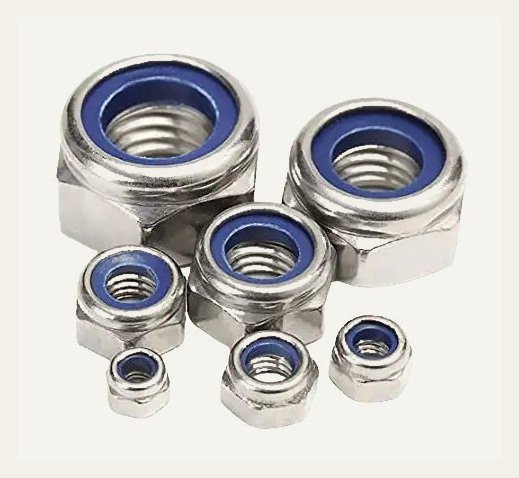
Mating or related nuts, including lock nuts, produced to the same programme.
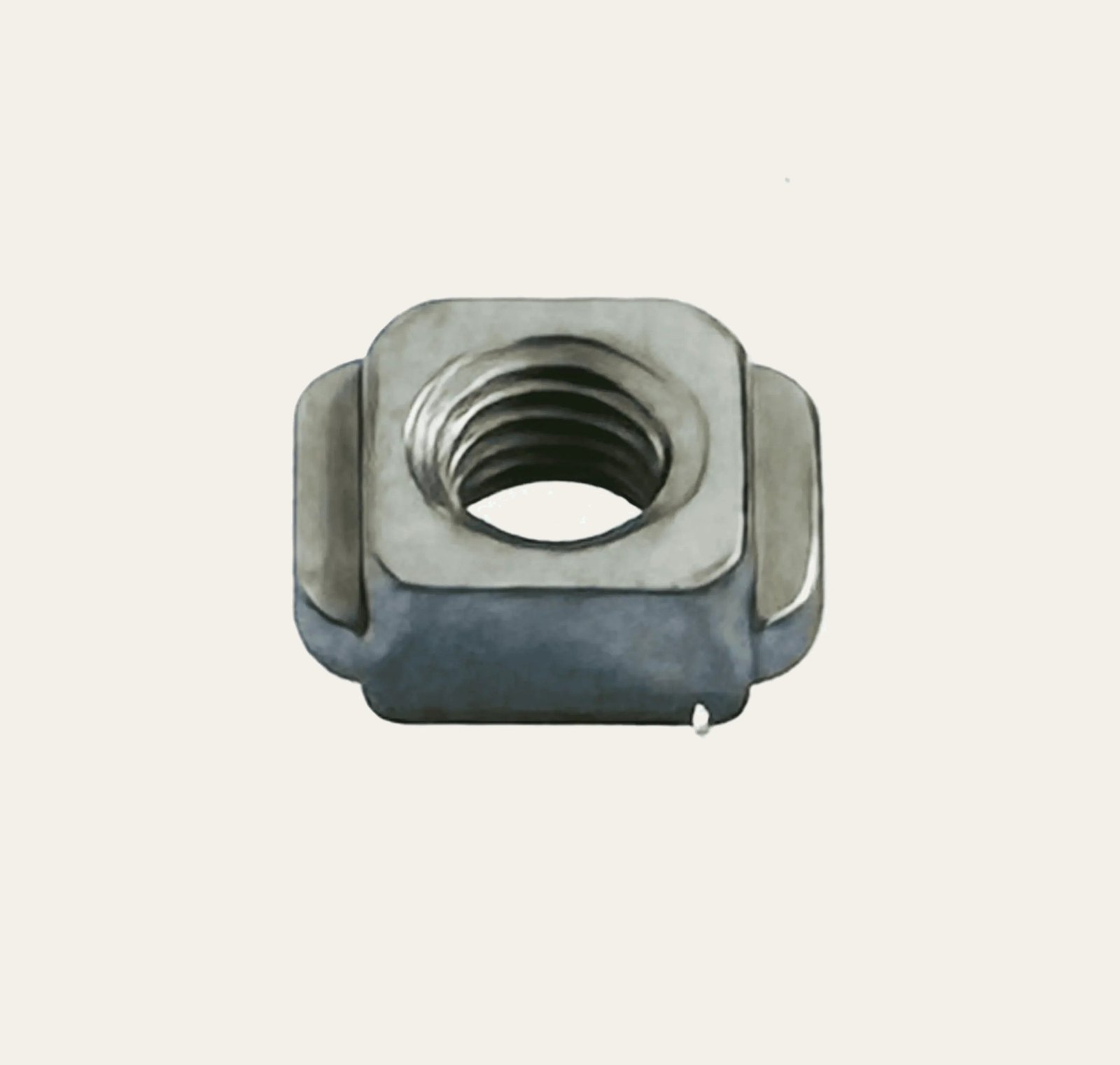
Weld nuts and weld or fir-tree studs when those forms are on the print.
Also see materials, inspection and documents — evidence is confirmed with the order, not assumed.
Include property class, coating and the final gauging condition, so the route and the inspection plan can be set against the drawing.