
Made-to-print manufacturing
Drawing-controlled parts, made to print.
Automotive fasteners for OEM, Tier 1 and Tier 2 organisations, and fittings and valve components for gas pressure-regulating, filtration and safety-valve equipment, are produced from the customer drawing, material specification and quality requirements — not picked from a standard catalogue when the geometry, material, thread, coating or inspection condition is application-specific.
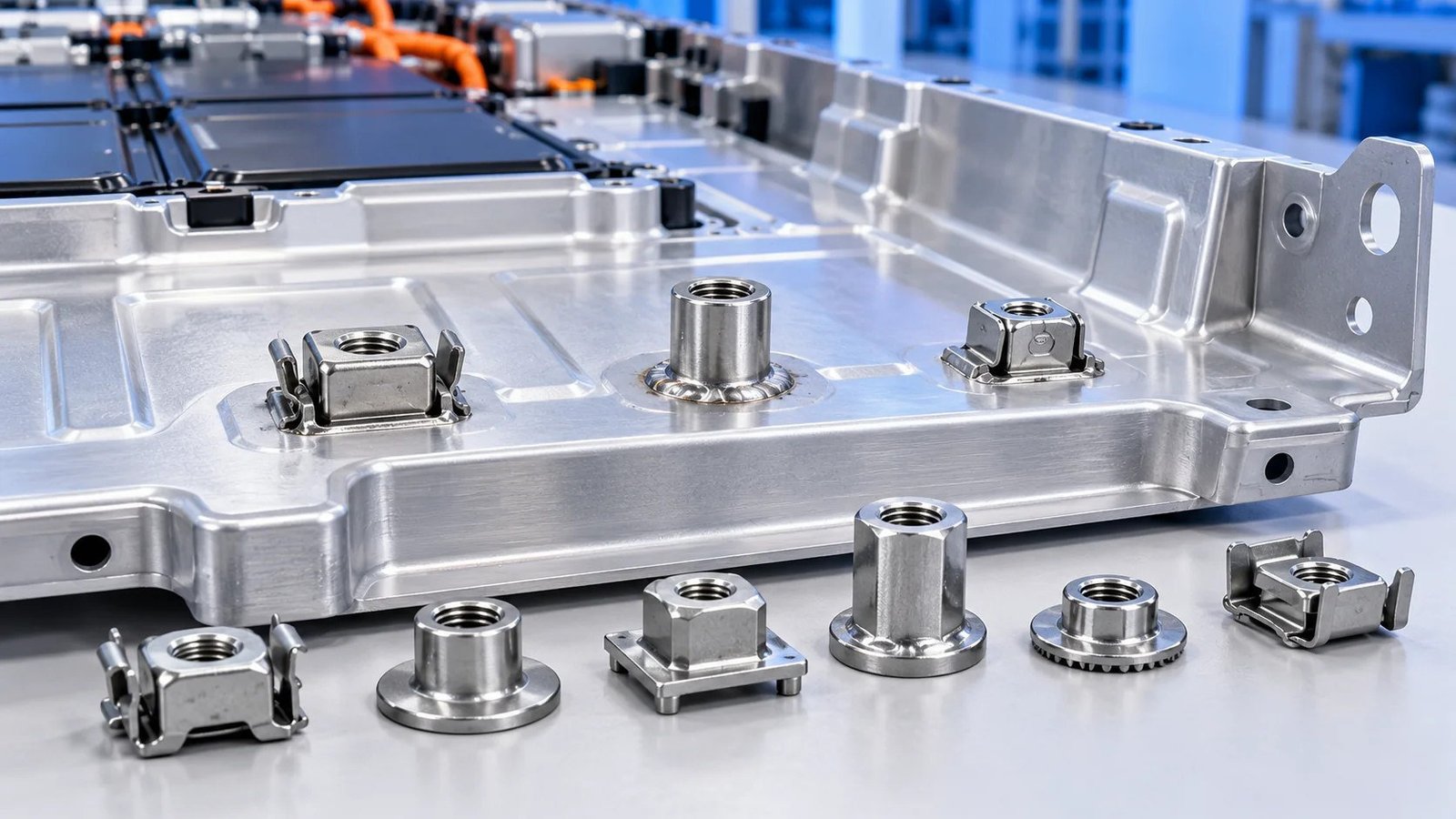
Illustrative application: weld nuts and weld elements at a sheet-metal interface. Not a named-customer delivery.
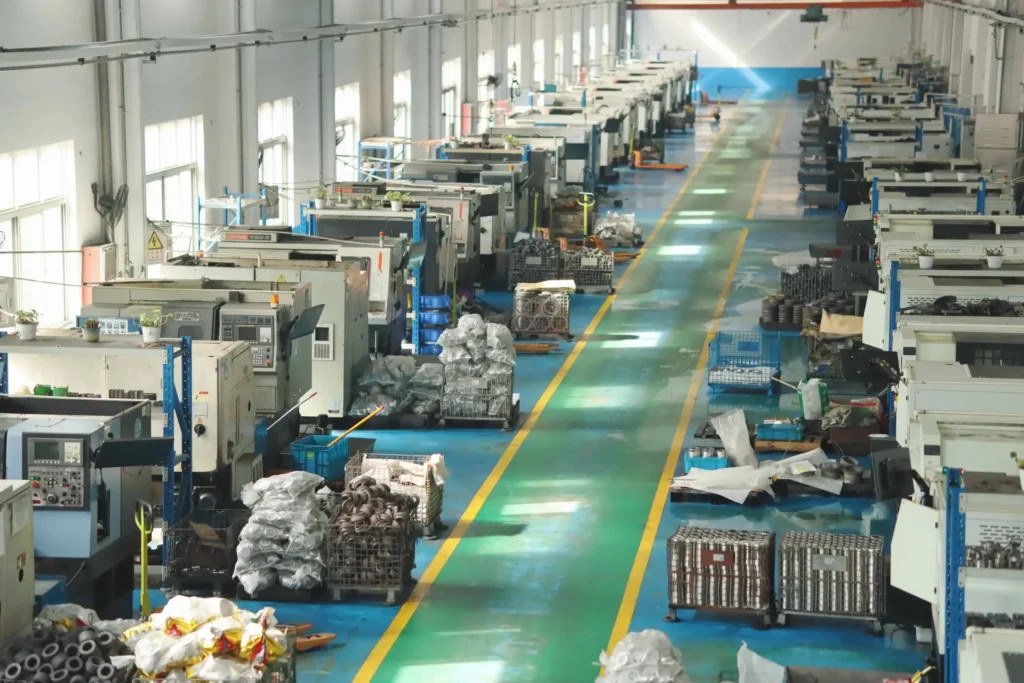
Factory area in Wenzhou, with 200+ CNC machines.
Typical cold-heading window; other sizes reviewed for CNC or a combined route.
Typical minimum for custom turned or special cold-forged nuts, depending on complexity and tooling.
FOB, CIF and DDP can be quoted; scope is confirmed in the offer.
Product families
Four fastener families, reviewed from the print
This is a capability site, not a stock list. Similar or variant geometries are assessed against the current drawing revision.
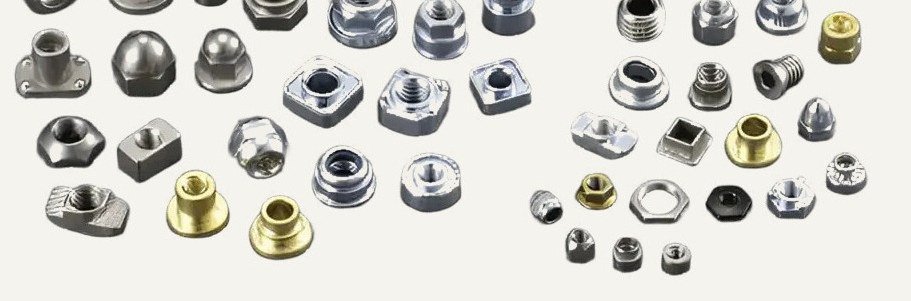
Weld nuts and weld elements
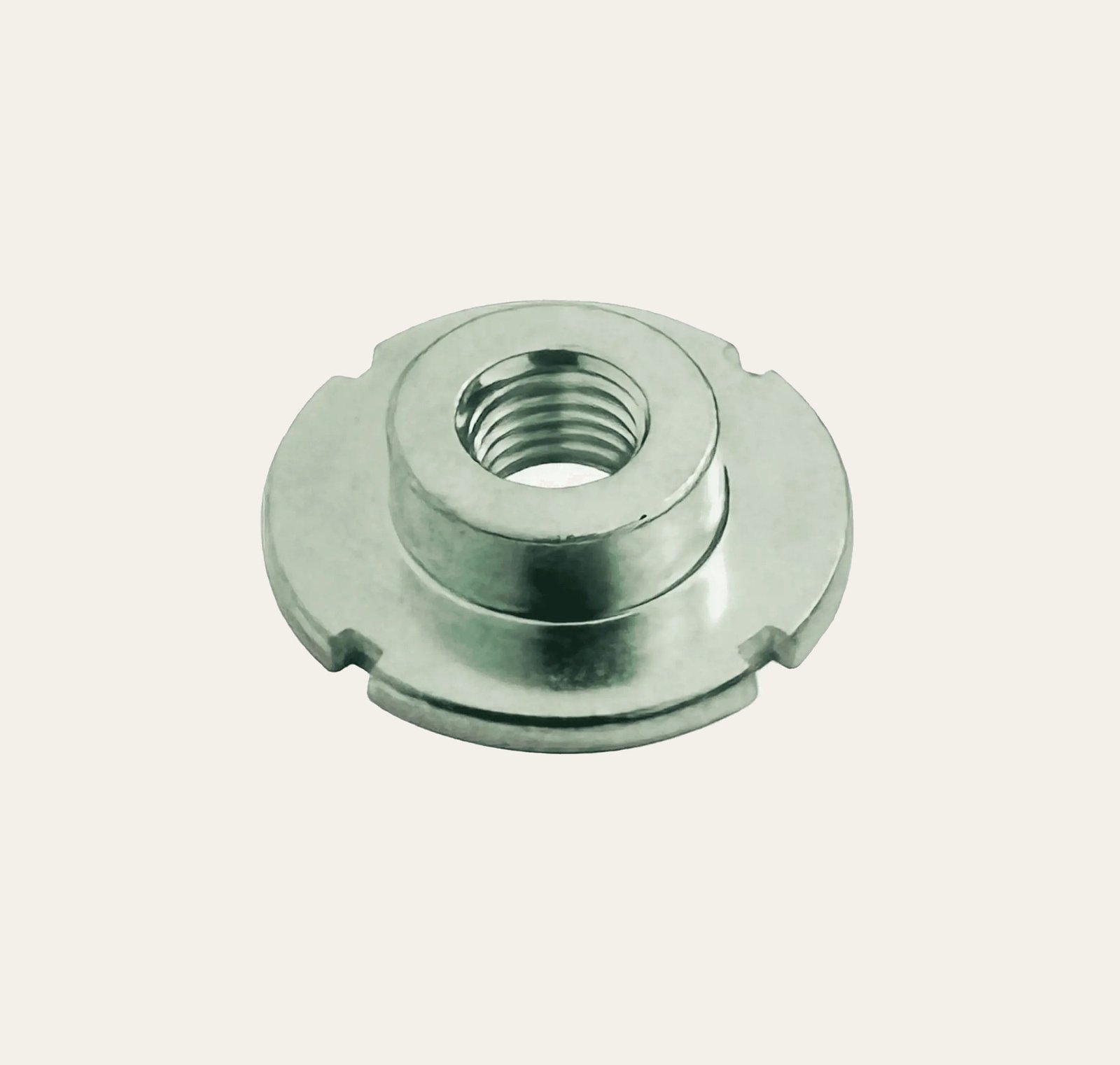
Hex, square, ring-projection and compact forms, including DIN 929 and DIN 928 types when those standards are specified.
Special nuts and inserts
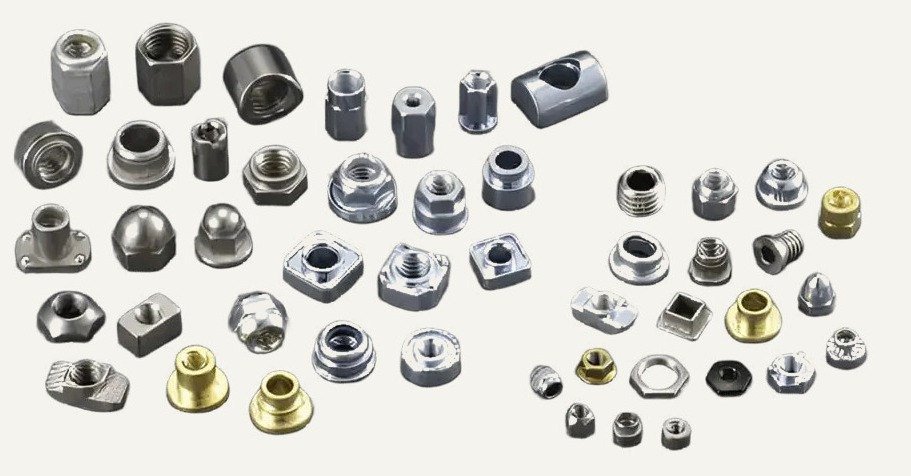
Lock nuts, cap nuts, clinch and rivet nuts, T-nuts and other installation elements that a standard hex nut cannot cover.
Bolts, screws, studs and pins
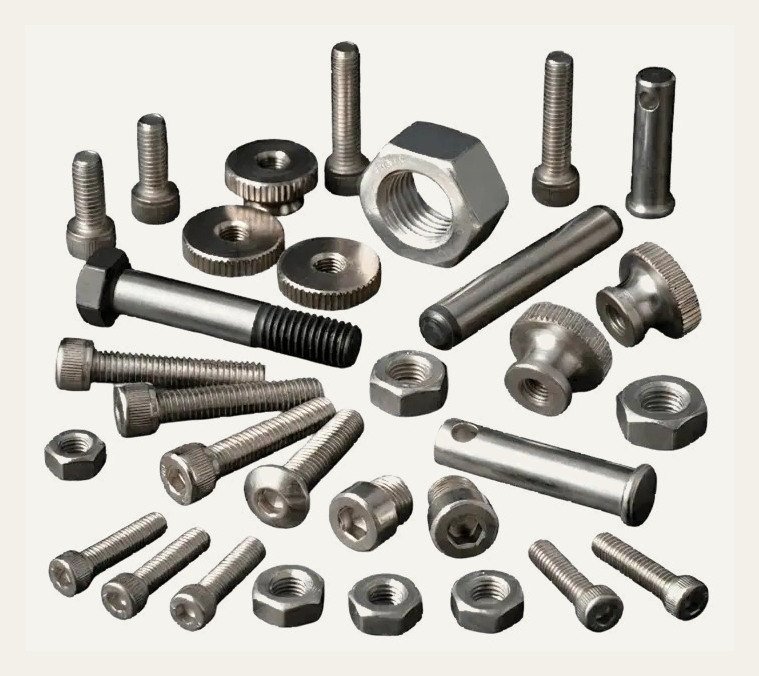
Application-specific heads, shanks, threads and inspection conditions, in metric or inch series.
Turned parts, bushings and spacers
Rotationally symmetric parts by CNC, or by a combination of cold forming and secondary machining.
Also from the drawing
Fittings and valve components
Alongside automotive fasteners, SUNHY reviews made-to-print fittings and valve components for gas pressure-regulating, filtration and safety-valve equipment. Parts are produced in brass and other copper alloys, carbon steel and aluminium, as specified on the print.
Typical enquiries include union and connecting stubs, cast unions, filter baskets, blow-off and release elements, and membrane-housing stage parts. Thread forms such as G¾ and G5/4 are taken from the drawing, not from a standard catalogue assumption.
Plant and inspection
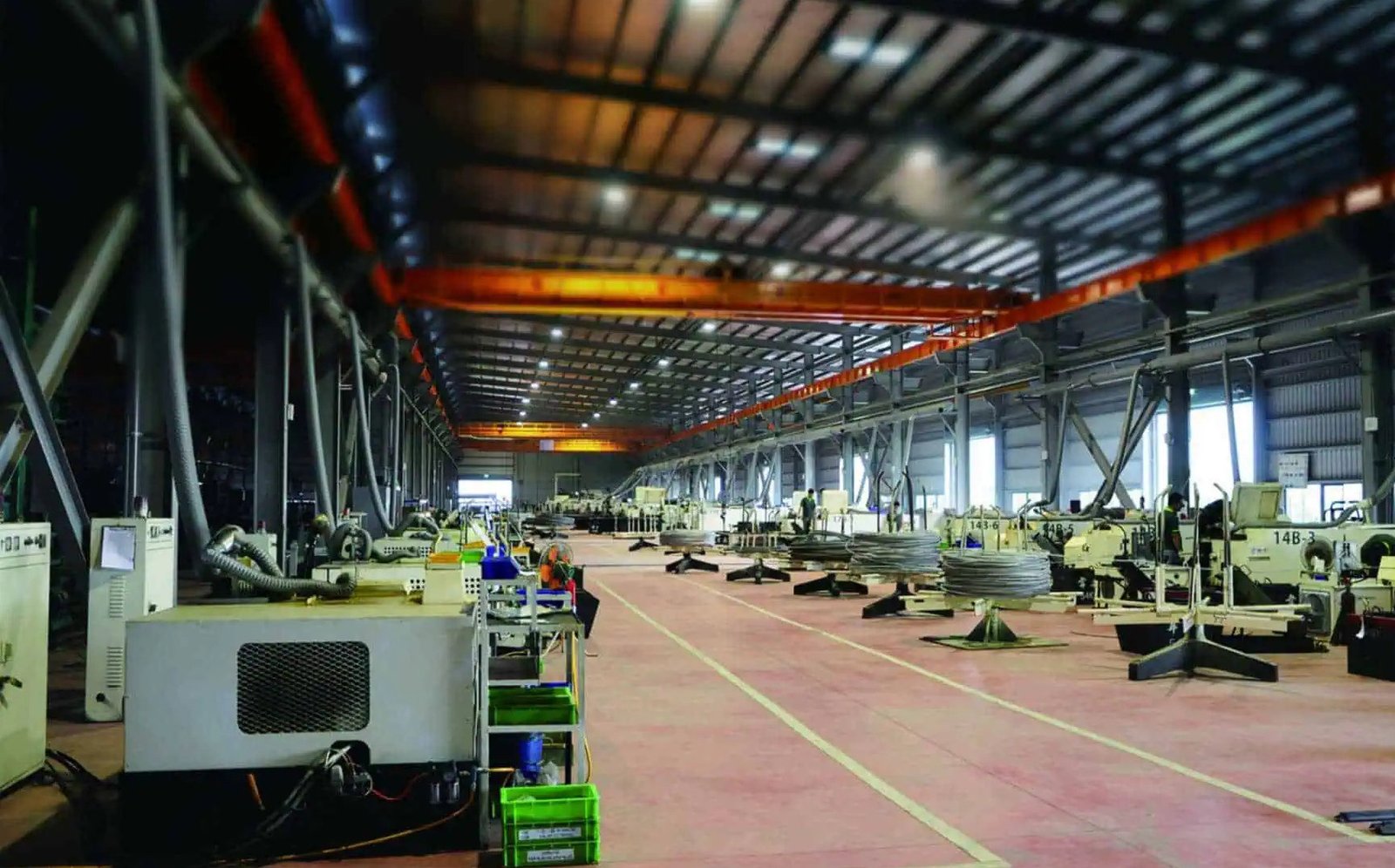
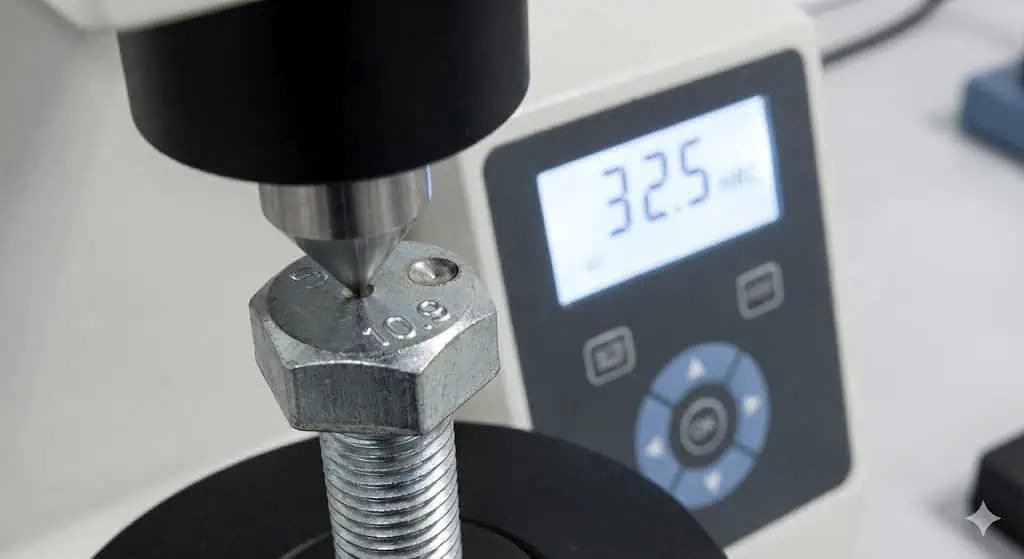
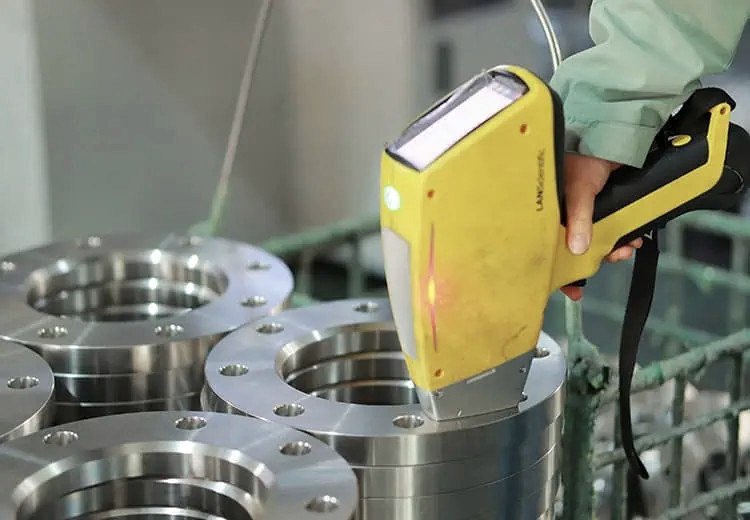
Cold heading, CNC and the checks written into the order
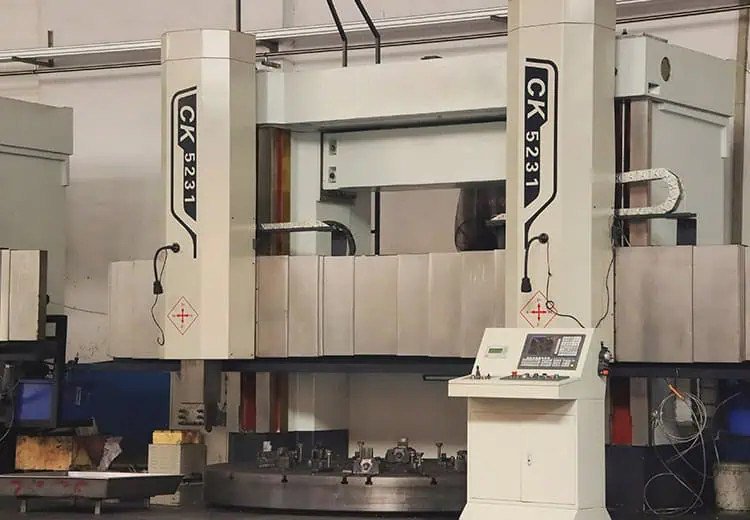
The factory in Wenzhou covers 20,000 m² and operates 200+ CNC machines. Inspection methods are applied against the drawing and the agreed plan, not automatically to every family. Materials, inspection and documents.
Send the print. The scope is confirmed before quote.
Email the current drawing revision, or use the request form. Unspecified points will be flagged before production rather than assumed.